LO 2
Brand book


The process went smoothly, and the template helped me organise everything clearly. I focused on making the content understandable for someone new , so they could easily pick up our visual rules. I paid close attention to consistency across pages and kept the language straightforward.
I learned how important it is to present design rules in a way that’s both structured and accessible. Creating the brandbook made me more aware of how to communicate design decisions visually and verbally. It also improved my workflow in Figma by working with templates.

If I were to do it again, I’d ask the team for feedback earlier in the process to better align the content with everyone’s expectations. Adding example mockups could also make the brand guidelines more practical and easier to apply in real projects.
Git for portfolio
I created a GitLab repository to manage the development of my portfolio website. Every time I made updates, I committed and pushed the changes . Using Git allowed me to track my progress and keep my workflow organized throughout the process.
Link to Git(https://git.fhict.nl/I555298/ds-portfolio.git )
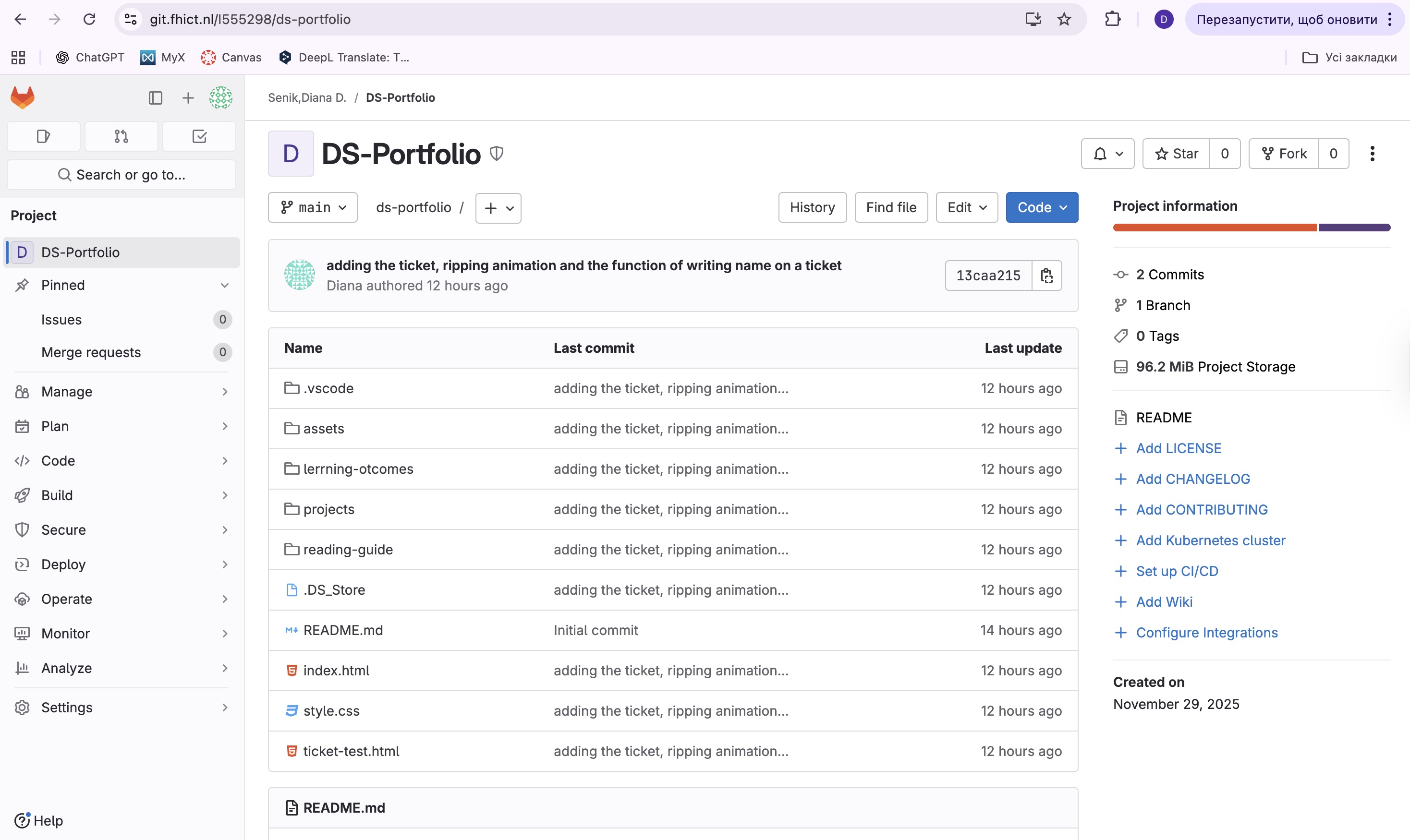
I learned how to use Git as a professional tool to document my development process , not just for backup, but to clearly see each step I’ve taken. It gave me a better understanding of how developers manage changes efficiently.
Next time, I’d write more detailed commit messages , so it’s easier to understand what each update includes. Keeping my GitLab organized makes it easier to explain my work to others or collaborate in the future.
Trelo

The Trello board worked really well. It helped us stay organised and made it easy to see who was doing what. Weekly planning made sure no one was confused, and the teachers could also check our progress. It made our workflow much smoother.
I learned that clear task planning helps a group work more effectively. Using Trello made communication easier, and I now see how useful visual tools are for tracking progress and staying on the same page with a team.
Next time, I would add deadlines to the tasks to help manage time better. I’d also try using labels or categories to quickly see what type of task it is, so the board stays even more organised.
Shot list + Storyboard for Non-Profit organisation
Before filming the interview with the non-profit organization, I created a shot list to guide our production. I started by listing the equipment we planned to use and noted some possible camera angles . The next day, my groupmate completed the storyboard with "Need" and "Would be nice" shots, and I combined the storyboard with the shot list to make it more visual and easier to follow for the team.

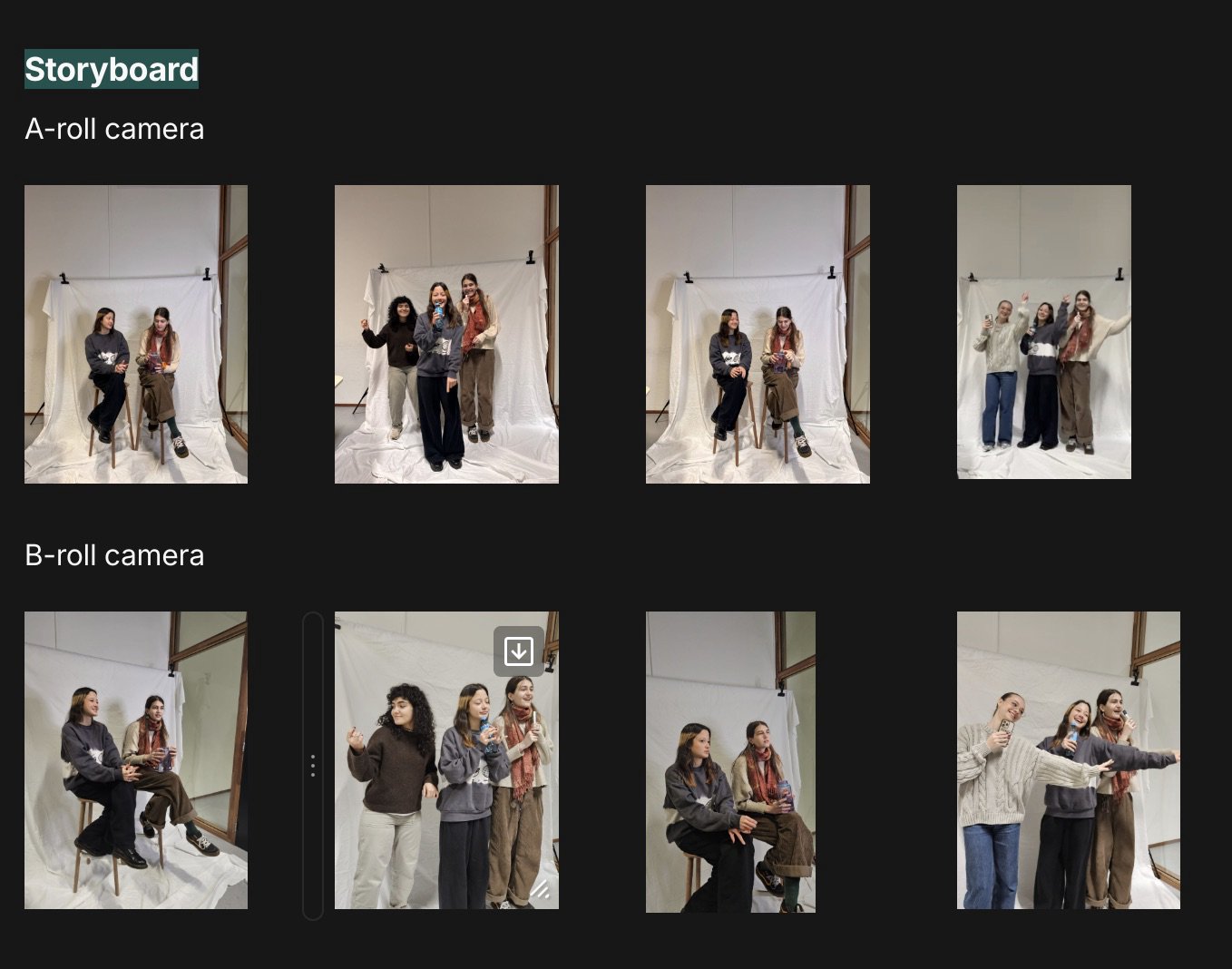
This preparation helped us stay organized during filming. Merging the shot list with the storyboard made the plan easier to follow and ensured we didn’t miss important shots . It also helped us communicate our vision more effectively within the group.
I learned how to translate a production plan into clear documentation that supports team coordination . The process showed me the importance of combining visual and written materials to align expectations before the shoot.
Next time, I’d start the shot list and storyboard earlier to give the team more time to review and suggest changes. I’d also organize the documents more visually , so it’s quicker to understand during filming. Better preparation means smoother collaboration on set.
Storyboard for my video
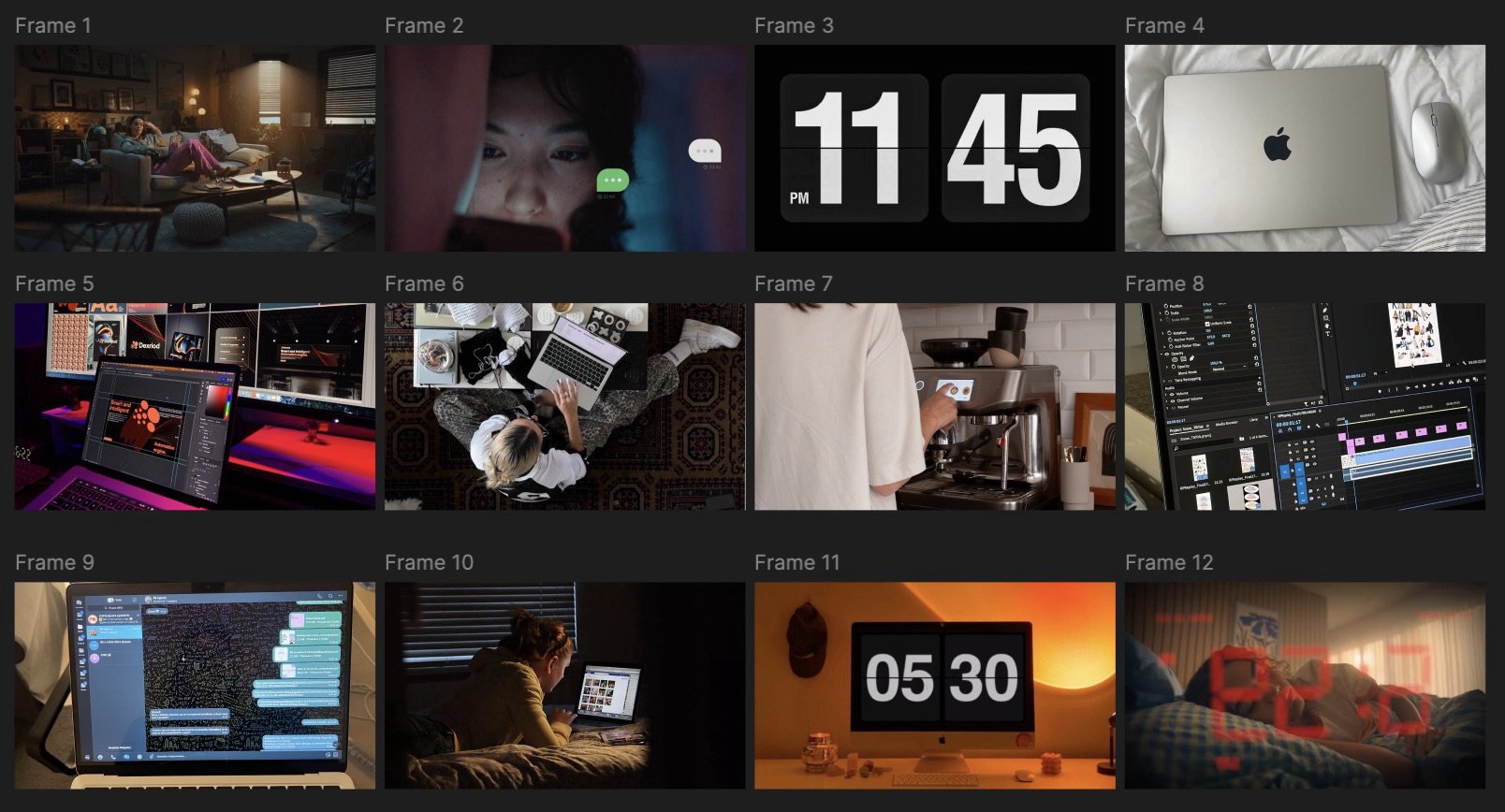
The storyboard helped me clearly communicate my concept and shot choices , making the production plan much easier to follow. Using reference photos added another layer of clarity, especially when sharing the idea visually. It also gave me a better grip on how to turn creative ideas into a structured plan.

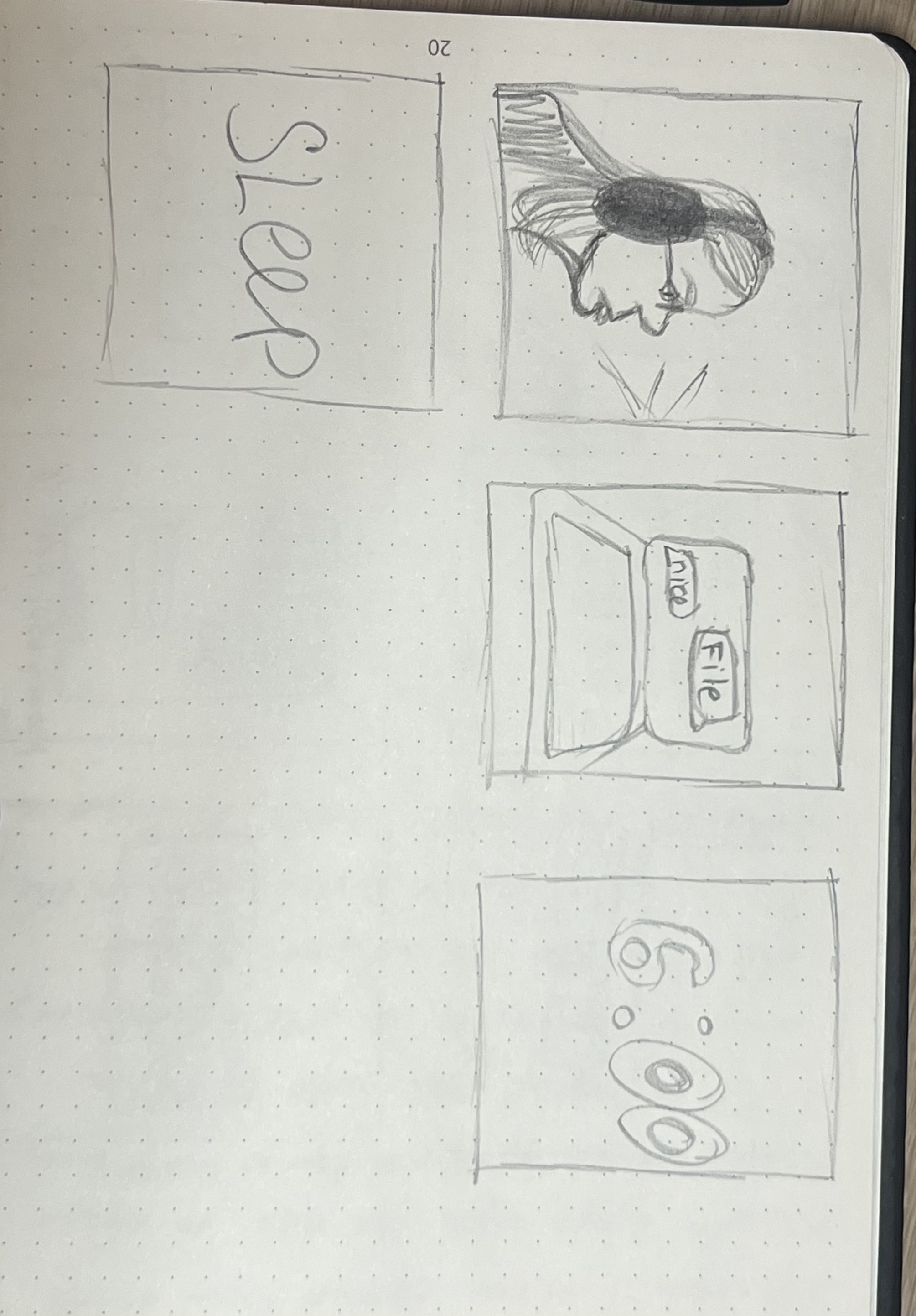
I learned that visual documentation, like storyboards, really supports the planning and communication process . It helped me stay organised, and I could easily explain my creative direction to others if needed.
Next time, I’d add notes or short descriptions under each frame to explain the mood or action more clearly. That would make it easier for someone else to understand the full idea just by looking at the storyboard.